

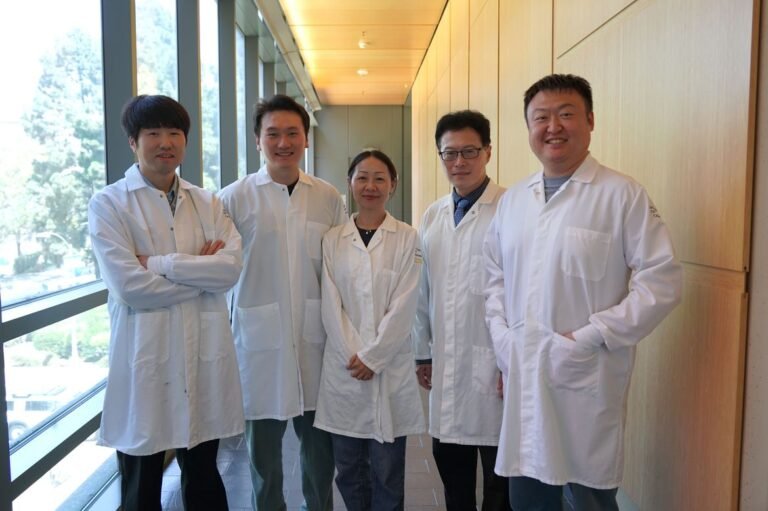
LOS ANGELES, CALIFORNIA — UCLA researchers have engineered a new type of immune cell designed to attack the harmful cells that drive atherosclerosis, the fatty buildup inside arteries responsible for most heart attacks and strokes. The experimental cells, known as FAP.CAR-NKT cells, are designed to recognize three major threats inside arterial plaque, including rogue smooth muscle cells, inflammatory macrophages, and cholesterol-filled foam cells. In preclinical testing involving mice, a lab-grown human blood vessel model, and artery tissue from patients with severe heart disease, the new cells removed more dangerous plaque-related cells and reduced plaque more effectively than a single-target CAR-T approach.
The research offers a potentially new way to confront atherosclerosis, a complex disease that remains difficult to treat because multiple cell types work together to keep plaques inflamed and unstable. Rather than attacking only one source of damage, UCLA’s approach targets several at once. Researchers reported no signs of toxicity in the mouse studies, but the treatment remains experimental and has not yet been established as safe or effective in humans. The next phase of research will examine how long the treatment’s effects last and what dosing may be needed, making the findings an early but promising step toward future therapies that could fight artery disease on multiple fronts.